
It plays an important role by processing a byproduct of the meat industry, which, if not treated, would become a source of infection for the general population.
No cow, sheep, or goat is slaughtered for its hide!
As long as people eat meat, there will be hides and skins that can either be used or wasted.
If the leather industry did not recycle the 8 million tons of hides and skins it recovers each year, their decomposition would become a health hazard and release about 5 million tons of greenhouse gases.
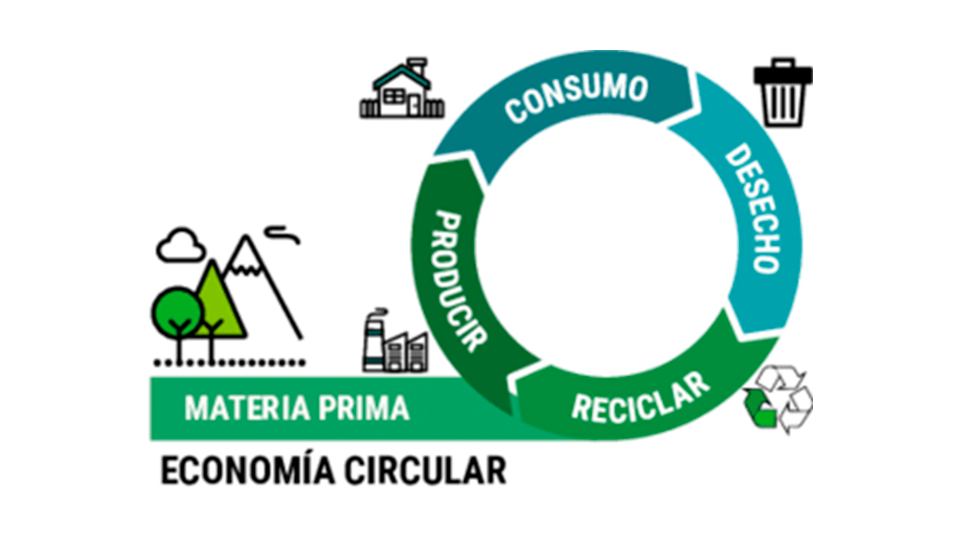
The tanning industry, historically focused on producing leather from animal hides, can play a key role in the circular economy, particularly in recycling and sustainable resource management. Here’s how this industry can integrate into a greener and more recycling-oriented model:
1. Recycling of Leather Waste and Byproducts
Tanneries generate a significant amount of waste, such as leather scraps, fibers, and other byproducts. These can be recycled in various ways:
Leather Recycling: Leather waste can be recovered to produce new products such as fashion items, accessories, or even building materials. Recycled leather can be shredded and transformed into materials like "reconstituted leather," which is used in manufacturing lower-impact products.
Utilization of Tanning Byproducts: Chemicals and liquid waste from the tanning process, such as tannins, can be treated and reused in more sustainable processes.
2. Use of Recycled or Sustainable Materials
Some tanneries are exploring the use of recycled materials to reduce the environmental impact of leather. This includes using recycled materials such as synthetic leather made from plastic waste or introducing alternatives like plant-based leather (which does not require animal products).
3. Innovation in Sustainable Tanning Processes
Traditional tanning techniques use chemicals like chromium, which are highly polluting. However, in recent years, there have been advances in the development of eco-friendly tanning methods, such as vegetable tanning or chrome-free tanning, which use natural resources (such as plant extracts) or less harmful technologies. These alternatives can reduce the toxicity of the industrys waste.
4. Reuse of Water and Energy
The tanning process consumes large amounts of water and energy, contributing to the industry’s environmental footprint. However, some tanneries are implementing technologies that allow water recovery and reuse in their processes, as well as the use of renewable energy to reduce their carbon footprint.
5. Circular Economy and Second-Life Products
Through the circular economy, leather products can be designed for reuse, repair, or recycling at the end of their lifecycle, extending the materials life and reducing the need for new leather production. Some brands are already integrating this philosophy into their supply chains, creating leather product recycling programs where consumers can return old items for refurbishment or recycling.
6. Alternatives to Traditional Leather
The search for alternatives to traditional leather has led to the creation of innovative materials such as pineapple leather (Piñatex), apple leather, and other bioproducts that do not rely on livestock. These alternatives help reduce the use of animal resources and contribute to minimizing waste from the tanning industry.
7. Education and Sustainable Certification
Companies can be encouraged to adopt more responsible practices through sustainable certifications such as the Global Organic Textile Standard (GOTS) or the Leather Working Group (LWG), which establish clear guidelines on recycling, waste reduction, non-toxic chemical use, and labor conditions.

PHL, Procesos Húmedos de León
Monte Carmelo 233, Col. Arroyo Hondo, C.P. 37438, León de los Aldama, Gto.
Email: gcia.ventas@phl.com.mx